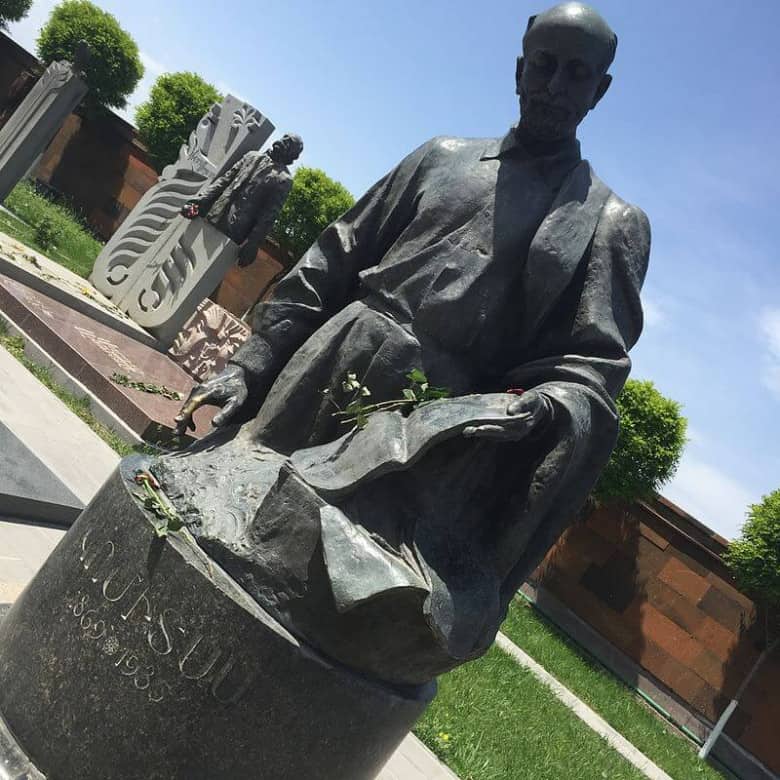
The Creator of Divine Music
Komitas
Komitas (real name is Soghomon Soghomonyan) was born on September 26, 1869 in Anatolia in the town of Koutina (Ketaia). He had a very sad childhood he became an orphan when he was 11 years old...his grandmother took care of him. He was very gifted in music especially in singing and people in Ketaia gave him a nick name as "a little vagrant singer"… and this gift change his life course fundamentally. In 1881 the priest of Koutina, G. Dertsakyan, had to leave for Etchmiadzin to be ordained a bishop and had to take with him an orphan boy to study at the Etchmiadzin Church Seminary. Twelve-year old Soghomon (Komitas) was selected out of 20 other orphans to study at the Seminary in Eastern Armenia Etchmiadzin...
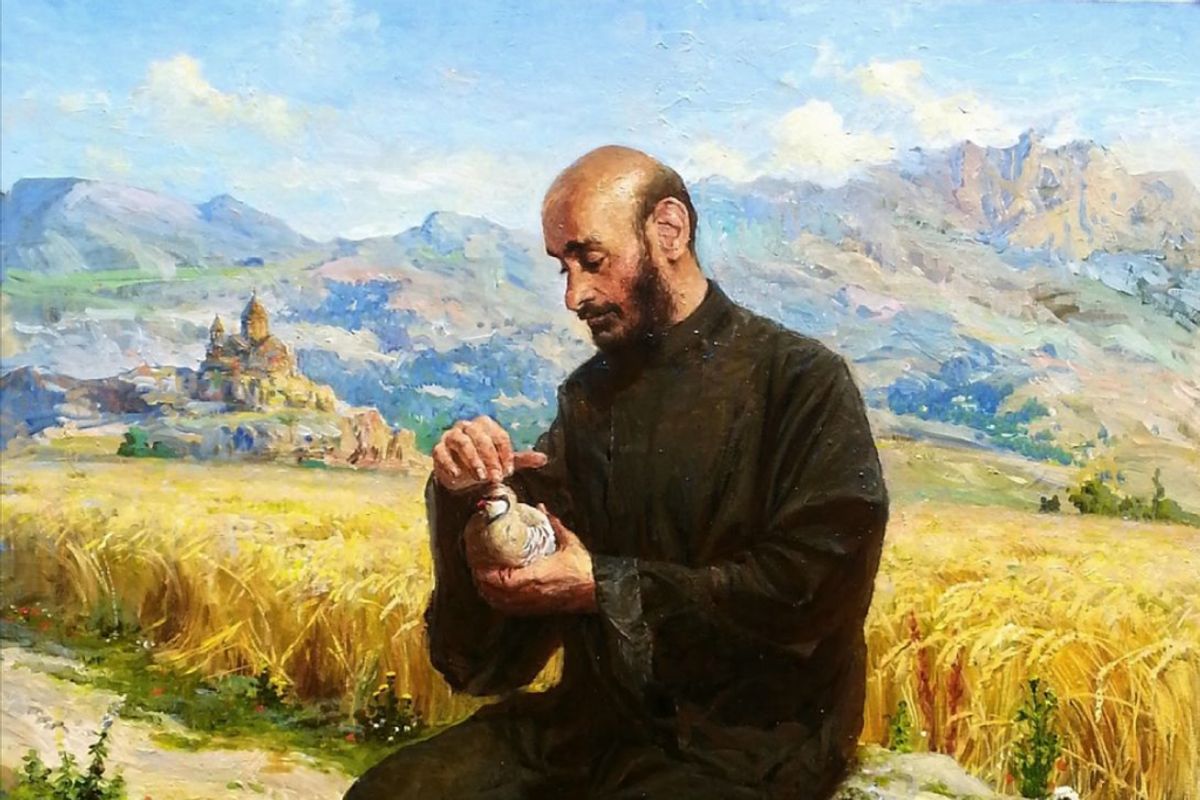
Komitas Vardapet
Let my trembling voice be nested in the sanctuary of your heart. O my wing, let me part. in a gasp and fly away...
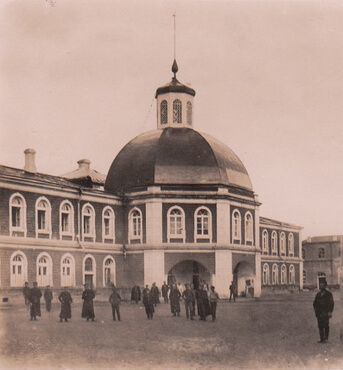
Parallelly with his church obligations he was collecting, writing, composing folk and classical music. His input in Armenian folk and classical music is huge therefore we call him “Armenian Bach”. He collected and noted thousands of Armenian, Persian, Kurdish, Turkish songs and was studying them theoretically proving that Armenian music scale and mentality is unique and self sustainable… derfore he had a need to go to Europe and improve his musicological, composing skeels and he entered to Professor Richard Schmidt’s privet conservatorium in Berlin. He was representing Armenian folk and spiritual music in scientific level all over the Europe, especially in Paris and Berlin hosted by International Music Society. Famous composers like Vincent D’Andy, Gabriel Fore, Camille Sen-Sans was very exited of his presentations. In 1906 after one of the concertos the French composer Claude Debussi exclaimed excitedly: “Brilliant father Komitas! I bow before your musical genius!”
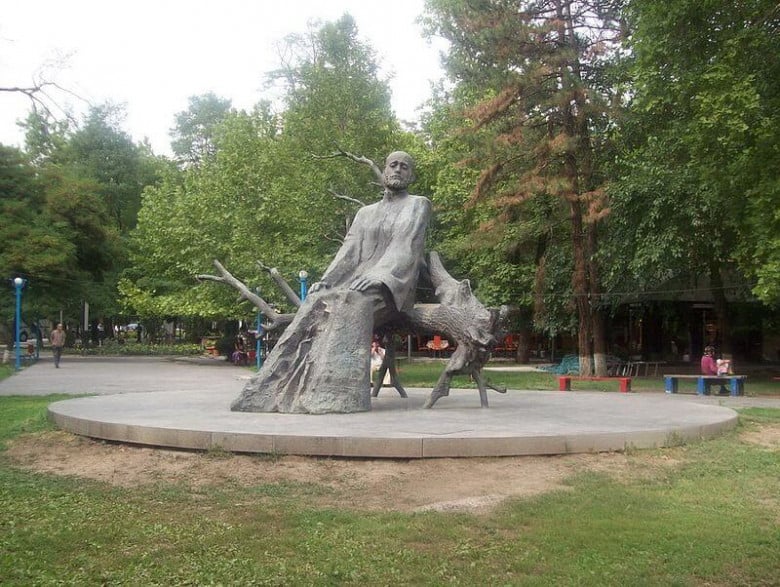
Notaji Vardapet
Here, Soghomon found out he was passionate about music. Whenever he heard a song in Etchmiadzin, he wrote it down. The villagers started to call him “Notaji Vardapet” which means “the note-taking priest.”
Komitas was a choir conductor too, where ever he was he would establish a choir and the biggest ever established was a “Gousan” choir 300 members in Constantinople. 66 years of fruitful musical and priest career he witnessed the massacres during the Armenian Genocide in 1915, in Turkey. He had been arrested with other Armenian public figures writers, publicists, physicians, lawyers of that time. 1916 his mental health deteriorated due to the tragic period of his nation. Komitas had been transferred to psychiatric hospital then to Paris (sanatorium Vil-Jouif) where he have been kept about 20 years. His body remains have been transported to Yerevan (capital city of Armenia) to Pantheon cemetery. Collection of works of the composer of Komitas Vardapet has been included in UNESCO heritage list since 2023 as Memory of the World.